
Hard water
Water softener installation in Kent
Kent sits on chalk, and the scale that furs your kettle is doing the same thing inside your boiler. A softener stops it at the mains, before it reaches anything expensive.
- Gas Safe 951167
- Fully insured
- Hard tap kept for drinking
- 90-day guarantee
What hard water is actually costing you
The scale on your kettle element is the visible version. The same deposit forms on the inside of your boiler's heat exchanger, on an immersion heater, and on the coil of a hot water cylinder. It is the single most common cause of the boiler faults we are called out to across Kent.
- Kettling. That rumbling noise from the boiler is water boiling in restricted passages behind a scale layer.
- Hot water that fades. A scaled cylinder coil transfers heat poorly, so the tank never quite gets there.
- Shower pressure dropping off. Scale narrows the outlets and seizes mixer cartridges.
- Appliances failing early. Dishwashers and washing machines silt up the same way.
- More soap. Hard water fights detergent, so you use more of everything.
A softener prevents new scale. It does not remove what is already there. If your heating system is already furred or sludged, it wants flushing first and protecting afterwards. Doing it the other way round means locking the existing problem in.
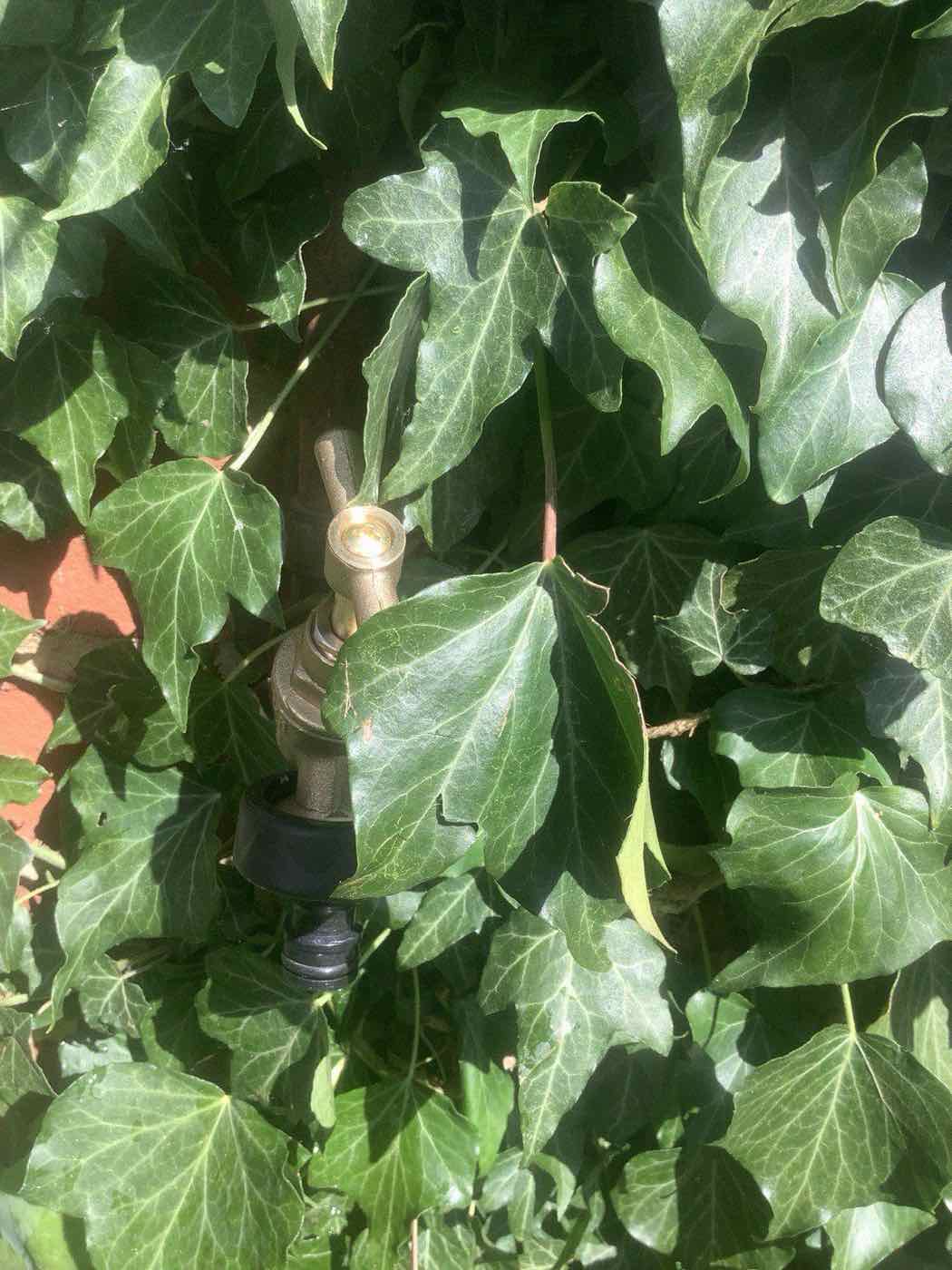
Outside tap fitted to the rear of a propertyOur own work · Gas Safe 951167
How the installation works
A softener goes on the rising main, as close to where the supply enters the house as is practical. It needs three things nearby: the mains itself, a drain connection for the regeneration cycle, and a power socket. In most Kent homes that means under the kitchen sink, or in a garage or utility where the stop tap sits.
We keep one tap hard, normally the kitchen cold, so you still have unsoftened water for drinking and filling the kettle. Everything else in the house runs soft.
The practical constraint is usually space and drainage rather than the plumbing, so it is worth us looking before you buy a unit. If you want the background first, our guide to installing a water softener covers what changes day to day.
Common questions
Is Kent really that hard?
Yes. Most of Kent sits on chalk, and the water picks up dissolved calcium and magnesium on the way through. That is what furs your kettle, spots the shower screen and, more expensively, coats the inside of your boiler heat exchanger.
What does a softener actually change?
It removes the calcium and magnesium before the water reaches your pipework, so scale stops forming. In practice: no furring in the kettle, less soap and shampoo, cleaner glass, and appliances that last longer because they are not silting up.
Will it protect my boiler?
It protects everything downstream of it, which includes the boiler heat exchanger and any hot water cylinder. It cannot undo scale that has already formed, so if a system is already furred it wants cleaning first and protecting afterwards.
Where does it go?
On the incoming mains, usually under the kitchen sink or in a garage or utility, close to where the supply enters. It needs a drain connection and a power point nearby. We will look at your setup and tell you what is realistic before you commit.
Is the water still drinkable?
Softened water is safe, though it has a slightly different taste and a higher sodium content, so most installations keep one hard tap for drinking and cooking. That is normally the kitchen cold tap, and we set it up that way as standard unless you say otherwise.
What upkeep does it need?
Topping up with salt, which is the bulk of it. Beyond that they are largely self-managing. We will show you how much and how often when we hand it over.
Tired of limescale?
Tell us where your mains comes in and what your kitchen or utility looks like, and we will tell you what is possible and what it involves.