
Blocked Drain Solutions: Proven Techniques to Clear a Blockage Yourself
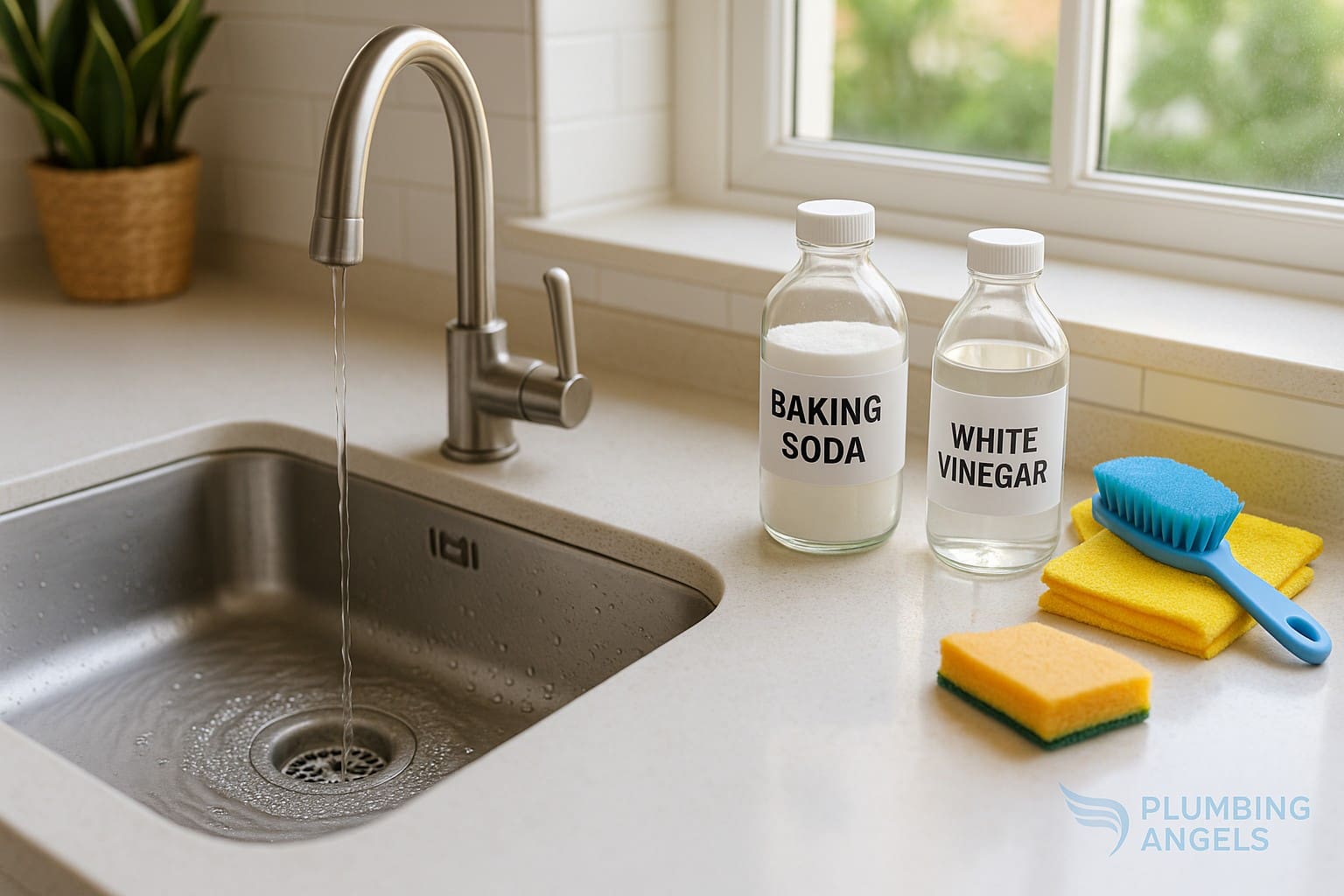
Blocked drains are among the most common plumbing problems in UK homes, and a good many of them clear with nothing more than a plunger and twenty minutes. Before reaching for the phone, try these proven techniques that professional plumbers use to clear drainage blockages safely and effectively — and read on for the signs that mean it is time to call us instead.
Understanding Drain Blockages
Most household drain blockages occur in predictable locations and follow common patterns:
Kitchen Sinks: Grease, food particles, and soap buildup Bathroom Basins: Hair, soap scum, and toothpaste residue Showers: Hair, soap, and product buildup Toilets: Excessive toilet paper, foreign objects, or waste buildup External Drains: Leaves, debris, and fat deposits
Understanding the cause helps determine the most effective solution.
Essential Tools for DIY Drain Clearing
Basic Equipment:
- Standard plunger
- Toilet-specific plunger (flanged)
- Drain snake/auger
- Rubber gloves
- Bucket and old towels
Household Solutions:
- Baking soda
- White vinegar
- Dish soap
- Hot (not boiling) water
Proven Techniques by Drain Type
Kitchen Sink Blockages
Step 1: Hot Water Flush Pour a kettle of hot (not boiling) water down the drain slowly. This dissolves grease buildup and may clear minor blockages immediately.
Step 2: Baking Soda and Vinegar Method
- Pour 200g baking soda down the drain
- Follow with 200ml white vinegar
- Cover drain with plug or cloth
- Wait 30 minutes
- Flush with hot water
Step 3: Plunger Technique
- Ensure sink has 5cm of water
- Create tight seal around drain
- Plunge vigorously 10-15 times
- Check water drains freely
Prevention: Never pour cooking oil or grease down kitchen drains. Wipe greasy pans with kitchen paper before washing.
Bathroom Basin and Shower Drains
Hair Removal Method:
- Remove drain cover or pop-up stopper
- Use fingers or tweezers to extract visible hair
- Use drain snake for deeper blockages
- Replace drain cover
Deep Clean Solution:
- Mix equal parts baking soda and salt
- Pour mixture down drain
- Follow with white vinegar
- Leave overnight, flush with hot water
Toilet Blockages
Standard Plunging:
- Use toilet-specific plunger with flange
- Create good seal in toilet bowl
- Push down slowly, pull up quickly
- Repeat 10-15 times vigorously
- Flush to test
Dish Soap Method:
- Add 50ml washing-up liquid to bowl
- Wait 30 minutes for lubrication
- Pour bucket of warm water from height
- Follow with plunging if needed
Never use chemical drain cleaners in toilets – they can damage seals and pipes.
External Drain Cleaning
Safety First: Wear gloves and eye protection when working with external drains.
Debris Removal:
- Remove drain cover carefully
- Clear visible leaves and debris by hand
- Use garden hose to flush remaining buildup
- Check water flows freely
Pressure Washing: For stubborn external blockages, a pressure washer can effectively clear accumulated debris and fat deposits.
Chemical Drain Cleaners: When and How
Appropriate Use:
- Light soap and hair blockages
- Preventive maintenance
- When mechanical methods partially successful
Safety Guidelines:
- Always read manufacturer instructions
- Never mix different chemical products
- Ensure good ventilation
- Wear protective gloves and eyewear
- Never use in completely blocked drains
Environmental Alternatives: Enzyme-based drain cleaners break down organic matter safely and are environmentally friendly options for regular maintenance.
When to Stop and Call a Professional
Red Flags Requiring Professional Help:
- Multiple drains backing up simultaneously
- Sewage smells or visible sewage
- Water backing up in other fixtures
- Gurgling sounds from multiple drains
- Repeated blockages in same location
- Standing water that won’t drain after trying all methods
Signs of Serious Problems:
- External manholes overflowing
- Tree root intrusion (common in older properties)
- Collapsed or damaged drain pipes
- Main underground drain blockages
These issues require professional drain cleaning equipment and expertise.
What It Costs to Have Us Clear It
Doing it yourself: a plunger and a drain snake are a one-off purchase from any DIY shop, and the household remedies above cost pennies. Set aside 30 to 60 minutes.
Bringing us in: our drainage work is charged by the hour. The first hour is £95 + VAT and is always billable — that covers getting an engineer, a van and the right equipment to your door and diagnosing the problem properly. Every 30 minutes after that is £47.50 + VAT. Any materials are agreed with you before we fit or order anything, so there is nothing on the invoice you have not already said yes to.
Most straightforward blockages are cleared inside that first hour. Where a drain needs jetting or a camera survey to find the cause, we will tell you what is involved and what it will cost before we carry on.
Preventive Maintenance Schedule
Weekly:
- Hot water flush for kitchen drains
- Remove visible hair from bathroom drains
Monthly:
- Baking soda and vinegar treatment
- Check and clean external drain covers
Quarterly:
- Deep clean all drain traps
- Inspect and clear external drains
Annually:
- Professional drain survey for older properties
- Camera inspection for recurring problems
Professional Backup Plan
While many blockages clear with DIY methods, it pays to know who you will ring when one does not. Plumbing Angels clears blocked drains across Kent on a clear hourly rate — £95 + VAT for the first hour, £47.50 + VAT per 30 minutes after that — with no surprises on the invoice.
Our professional equipment includes high-pressure water jetting and drain cameras for diagnosing complex blockages that DIY methods cannot resolve.
For persistent drain problems or emergency blockages, contact Plumbing Angels on 01732 792 454. Available 24/7 for drainage emergencies across Kent and surrounding areas.

Frequently Asked Questions
How much does it cost to have Plumbing Angels clear a drain?
Drainage work is charged by the hour: £95 + VAT for the first hour, which is always billable, and £47.50 + VAT for each 30 minutes after that. Most straightforward blockages are dealt with inside the first hour.
Is it safe to use chemical drain cleaners?
Chemical cleaners are safe when used correctly for light blockages. Never mix different products, ensure good ventilation, and avoid using in completely blocked drains. Never use chemical cleaners in toilets as they can damage seals.
What causes most household drain blockages?
In the drains we are called out to, the pattern is fairly consistent: kitchen sinks block with grease and food waste, bathroom basins and showers with hair and soap, toilets with too much paper or something that should never have been flushed, and external gullies with leaves and fat.
When do multiple blocked drains indicate a serious problem?
Multiple drains backing up simultaneously usually indicates main underground drain blockages, tree root intrusion, or collapsed pipes. These require professional diagnosis and specialised equipment to resolve safely.
How often should I clean my drains preventively?
Weekly hot water flushes, monthly baking soda treatments, and quarterly deep cleaning prevent most blockages. External drains should be checked and cleared seasonally, especially before winter.
Can I prevent drain blockages completely?
No — but regular maintenance makes them a great deal rarer. Never pour grease down kitchen drains, use drain guards to catch hair, and avoid flushing inappropriate items down toilets.
Smart maintenance prevents expensive emergencies. Know when to try – and when to call.
Need a hand from a real engineer?
Our Gas Safe team covers the whole of Kent — free fixed quotes on new boilers, clear rates on repairs and servicing.
Call 01732 792 454