
Install An Outside Tap
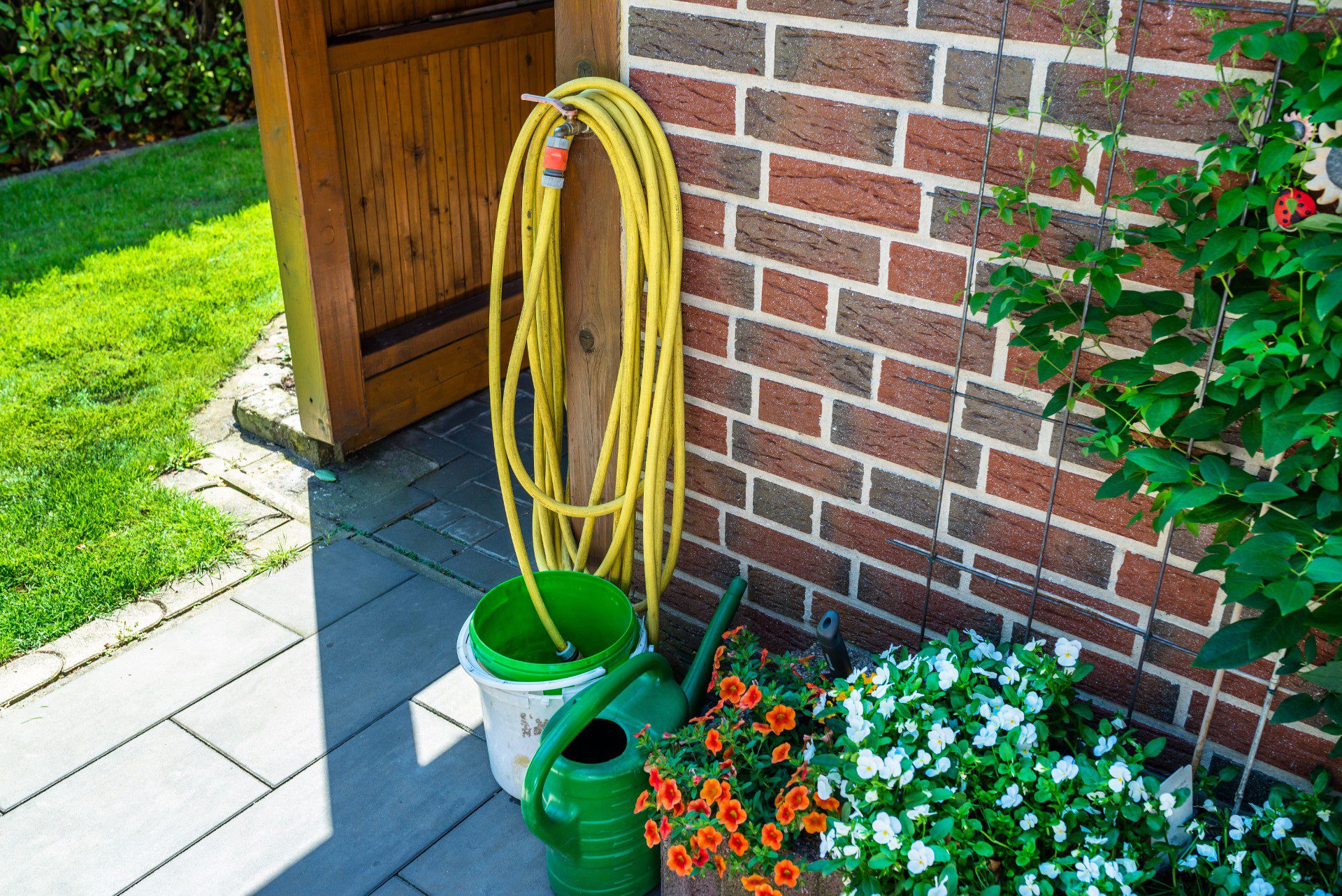
Having an outside tap can be incredibly convenient for a variety of tasks, from washing your car to watering your garden. Installing an outside tap can be a relatively straightforward DIY job, and in this article, we’ll take you through the process step by step.
Materials Needed:
Before you begin, you’ll need to gather the following materials:
- 15mm isolation valve
- 15mm T-piece
- 15mm Flexible Hose/Copper pipe
- Outside tap
- Adjustable spanner
- Adjustable wrench
- Compression fittings
- Tape measure
- Pipe cutter or hacksaw
Step 1: Turn Off the Water Supply
The first step in installing an outside tap is to turn off the water supply. This will prevent any water from flowing through the pipes while you work. Locate your main stopcock, usually found under the kitchen sink, and turn it off.
Step 2: Locate the Water Supply
Next, locate the water supply that you want to connect your outside tap to. This is usually found near the kitchen or bathroom, and is a 15mm or 22mm copper pipe. Measure the distance from the tap to the water supply, and add an extra 300mm to allow for the tap to be fitted.
Step 3: Cut the Copper Pipe
Using a pipe cutter or hacksaw, cut the copper pipe to the length you measured in the previous step. Clean the cut edge of the pipe with sandpaper or a file.
Step 4: Attach the T-Piece
Insert the T-piece into the end of the copper pipe, and tighten the compression fitting using an adjustable spanner.
Step 5: Attach the Isolation Valve
Screw the isolation valve into the T-piece, again using an adjustable spanner. This valve will allow you to turn the water supply off and on, without affecting the rest of your plumbing.
Step 6: Attach the Flexible Hose
Screw the flexible hose onto the isolation valve, and tighten it using an adjustable wrench.
Step 7: Attach the Outside Tap
Screw the outside tap onto the end of the flexible hose, and tighten it using an adjustable wrench.
Step 8: Test the Tap
Turn the water supply back on, and check for any leaks. If there are no leaks, you’re done! If there are leaks, tighten the compression fittings and hose connections until they’re snug.
The Water Regulations Bit Nobody Mentions
Before you fit one, there is a legal point that most guides skip entirely.
Under the Water Supply (Water Fittings) Regulations 1999, an outside tap must have double check valve backflow protection. The reason is straightforward: leave a hosepipe lying in a puddle, a pond or a bucket of weedkiller, and a drop in mains pressure can siphon that water back into the supply feeding your house — and your neighbours’. The check valve prevents it.
You are also required to notify your water supplier before installing an outside tap. In practice most people do not, but the requirement exists, and the check valve is not optional.
Fit the valve on the inside of the wall where it will not freeze, and make sure the tap itself is either frost-proof or fitted with an isolating valve indoors so you can shut it off and drain it before winter.
Before the First Frost
An outside tap left live over winter is one of the most reliable ways to burst a pipe. Every autumn, turn off the indoor isolating valve, open the outside tap to drain what is left in the pipe, and leave it open. An insulated cover over the tap is a sensible extra.
If You Would Rather Not
It is a manageable job for a competent DIYer, provided the check valve goes in. If you would rather it was done properly and tested, we fit outside taps as part of general plumbing work — £95 + VAT for the first hour, which is always billable, then £47.50 + VAT per 30 minutes after that. Most are comfortably done within the first hour.
Call 01732 792 454 or see our plumbing services.
Need a hand from a real engineer?
Our Gas Safe team covers the whole of Kent — free fixed quotes on new boilers, clear rates on repairs and servicing.
Call 01732 792 454