
How to bleed your radiators at home
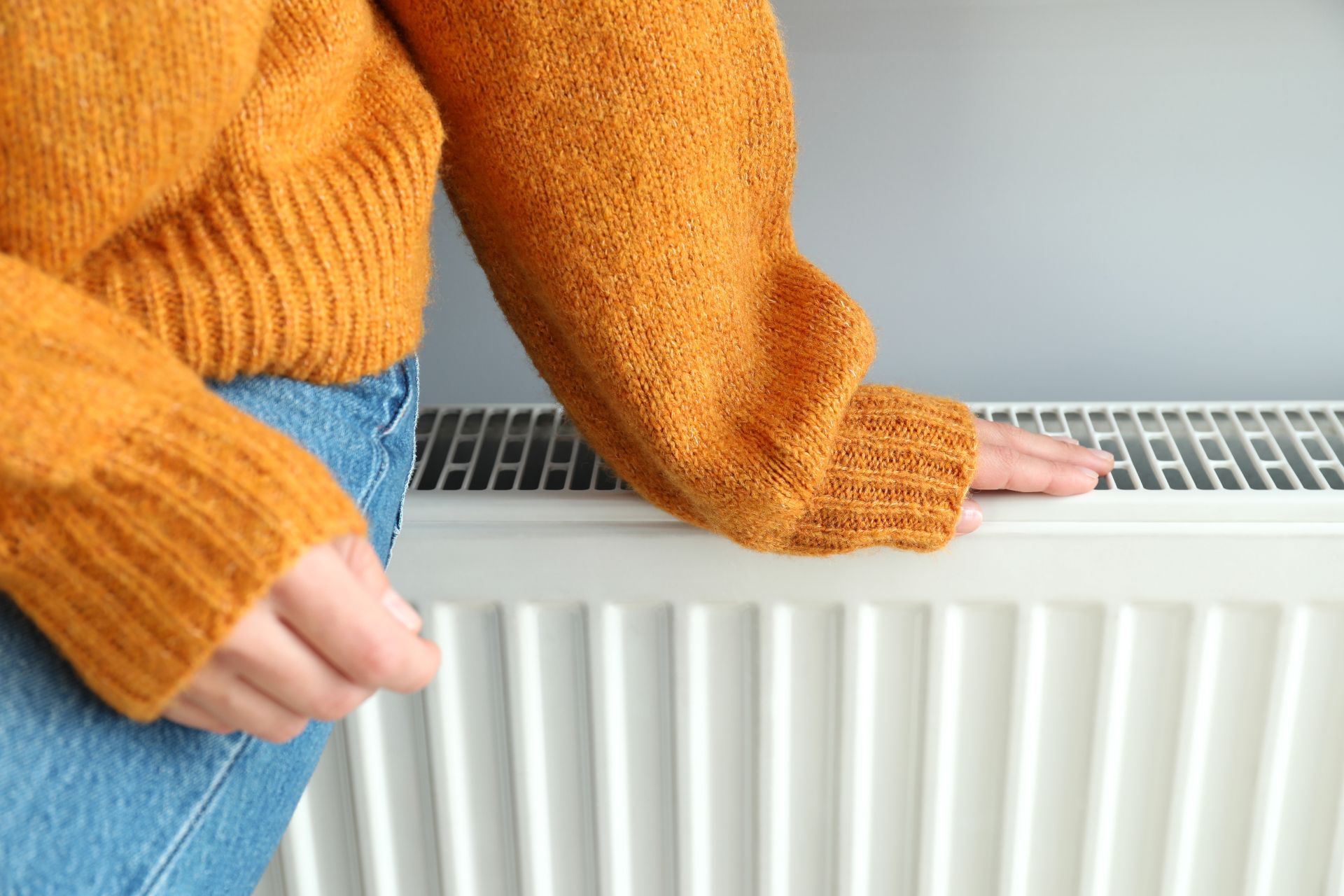
Bleeding your radiators is a simple and effective way to ensure they are functioning properly and providing optimal heating to your home. In this article, we’ll outline the steps to safely and effectively bleed your radiators at home.
Step 1: Turn Off the Heating System
Before starting, turn off your heating system to ensure safety. Wait for the radiators to cool completely before proceeding.
Step 2: Locate the Bleed Valve
Locate the bleed valve on each radiator. It’s typically a small valve located near the top of the radiator with a small square or hexagonal head.
Step 3: Prepare a Cloth and a Radiator Key
Place a cloth under the valve to catch any excess water and have a radiator key on hand.
Step 4: Open the Valve
Using the radiator key, carefully turn the valve anticlockwise until you hear a hissing sound. This indicates that air is being released from the radiator.
Step 5: Close the Valve
Once water starts to escape the valve, close it by turning it clockwise. Make sure it’s tightly closed to prevent any further water loss.
Step 6: Repeat the Process
Repeat the bleeding process on each radiator until no more air is being released.
Step 7: Check the Pressure Gauge
After bleeding all the radiators, check the pressure gauge on your boiler. If it’s low, add water to the system until it reaches the recommended level.
Which Radiators to Do First
Work from the ground floor upwards, and within each floor start with the radiator furthest from the boiler. Air collects at the highest and furthest points of the system, so doing them in that order pushes the air ahead of you rather than chasing it around.
Cold at the Top, or Cold at the Bottom?
This is the distinction that matters, and getting it wrong wastes an afternoon.
Cold at the top, warm at the bottom means trapped air. Bleeding will fix it, and the steps above are all you need.
Cold at the bottom, warm at the top is not air at all — it is sludge. Years of corrosion settle into the bottom of the radiator and block the flow. Bleeding will do nothing for it. That needs the radiator flushing out, or in a bad case the whole system power flushing.
Cold all over, while others are fine usually points to a stuck valve. Take the head off the thermostatic valve and check the pin underneath moves freely — they seize in the closed position over the summer, and a gentle tap or a pair of pliers often frees it.
How Often Should You Do It?
Once a year is plenty for most systems, and autumn is the sensible time — before you rely on the heating rather than after. If you find yourself bleeding the same radiator every few weeks, that is not normal maintenance, it is a symptom. Air that keeps coming back means it is getting in somewhere, usually through a small leak drawing air as the system cools, or from corrosion inside an untreated system generating hydrogen gas.
Either way, repeated bleeding treats the symptom and ignores the cause.
Afterwards: Check the Pressure
Bleeding lets water out as well as air, so the system pressure drops. On a sealed system, check the gauge on the boiler once you have finished and top up via the filling loop if it has fallen below the mark on the dial, usually around 1 to 1.5 bar when cold.
If you find yourself topping up every few weeks, stop and get it looked at. That water is escaping somewhere, and somewhere is usually a floor.
When to Call Us
Ring us if radiators are cold at the bottom, if the same one needs bleeding repeatedly, if the pressure will not hold, or if bleeding produces dirty black water — all signs the system needs attention rather than air letting out.
Heating work is charged at £95 + VAT for the first hour, which is always billable, then £47.50 + VAT per 30 minutes after that. Call 01732 792 454.
Need a hand from a real engineer?
Our Gas Safe team covers the whole of Kent — free fixed quotes on new boilers, clear rates on repairs and servicing.
Call 01732 792 454