
Copper vs Plastic Pipes in Plumbing: Understanding the Pros and Cons
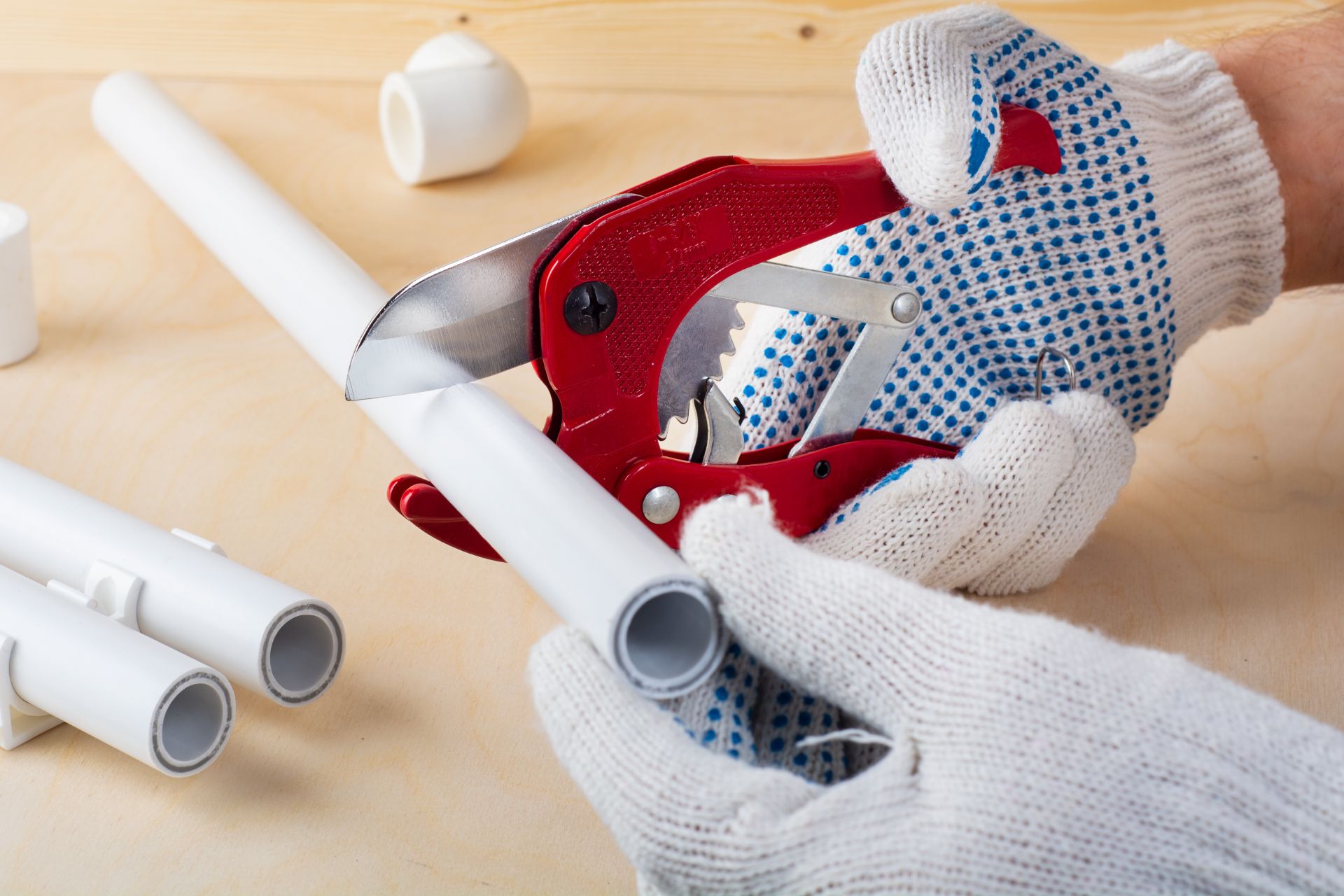
Copper and plastic are both commonly used in plumbing systems, but they have different properties and are best suited for different applications.
Copper Pipes
Copper pipes are durable, long-lasting, and resistant to corrosion. They are often used for both hot and cold water supply lines, as well as for natural gas and LPG supply pipework. Copper is also a good conductor of heat, making it a popular choice for underfloor heating systems.
Plastic Pipes
Plastic pipes, on the other hand, are lightweight, easy to install, and resistant to corrosion. They are often used for drainage and waste systems, as well as for cold water supply lines. The two most common types of plastic pipes used in plumbing are PVC (polyvinyl chloride) and PEX (cross-linked polyethylene). PVC is most commonly used for drainage and soil and vent systems, while PEX is used for hot and cold water supply systems.
Which Should You Choose?
Copper suits hot and cold supply, gas, and anywhere the pipe will be visible. Plastic suits waste and drainage, and is a perfectly good choice for concealed hot and cold supply runs where speed of installation matters.
What We Actually Use, and Where
In practice most of what we install is a mixture, chosen run by run rather than on principle.
Copper goes anywhere the pipe will be on show, anywhere it passes near a heat source, and on every gas run without exception — plastic is not an option for gas. It also holds its shape, which matters when a pipe has to sit neatly against a wall rather than sag between clips.
Plastic earns its place under floors and inside walls, particularly in older houses where joists and awkward voids make copper slow and expensive to run. It handles freezing better than copper, expanding rather than splitting, which is a genuine advantage on a run near an outside wall.
Things Worth Knowing Before You Choose
- Plastic needs supporting more often. It will sag between clips where copper spans happily, and a sagging run can trap air in a heating circuit.
- Copper conducts heat, so uninsulated hot runs lose warmth to the loft on the way to the tap. Lag them either way.
- Plastic must be kept away from heat sources, which is why the last stretch into a boiler is always copper.
- Rodents will chew plastic. It is rare, but it happens in lofts and under floors, and it is the argument for copper in a property with a known problem.
- Copper has scrap value. A minor point, but it is why exposed copper in an empty property occasionally goes missing.
What Is in Your House Already
Around Tonbridge we see the full range. Victorian and Edwardian terraces have often been piped and re-piped several times, so you find lead remnants, imperial copper and modern plastic in the same house. Properties from the 1970s and 80s frequently have microbore copper heating pipework — narrow, easily blocked by sludge, and the usual culprit when radiators will not heat properly.
If you have any lead pipework still in place on your drinking water supply, that is worth replacing regardless of the copper-versus-plastic question.
Joining Old to New
The awkward part of most repipe jobs is not the new pipe, it is the junction with what is already there. Older properties may have imperial-sized copper, which does not take modern metric fittings without an adaptor. Getting that joint right is the difference between a repair that lasts and one that weeps quietly inside a wall.
Talk to Us
Pipework and repair jobs are charged at £95 + VAT for the first hour, which is always billable, then £47.50 + VAT for each 30 minutes after that. Larger repipe jobs are surveyed and quoted at a fixed price instead.
Call 01732 792 454. We cover Tonbridge, Tunbridge Wells and the surrounding Kent villages — see our plumbing services.
Need a hand from a real engineer?
Our Gas Safe team covers the whole of Kent — free fixed quotes on new boilers, clear rates on repairs and servicing.
Call 01732 792 454