
Preventing and Detecting Leaks in Your Home
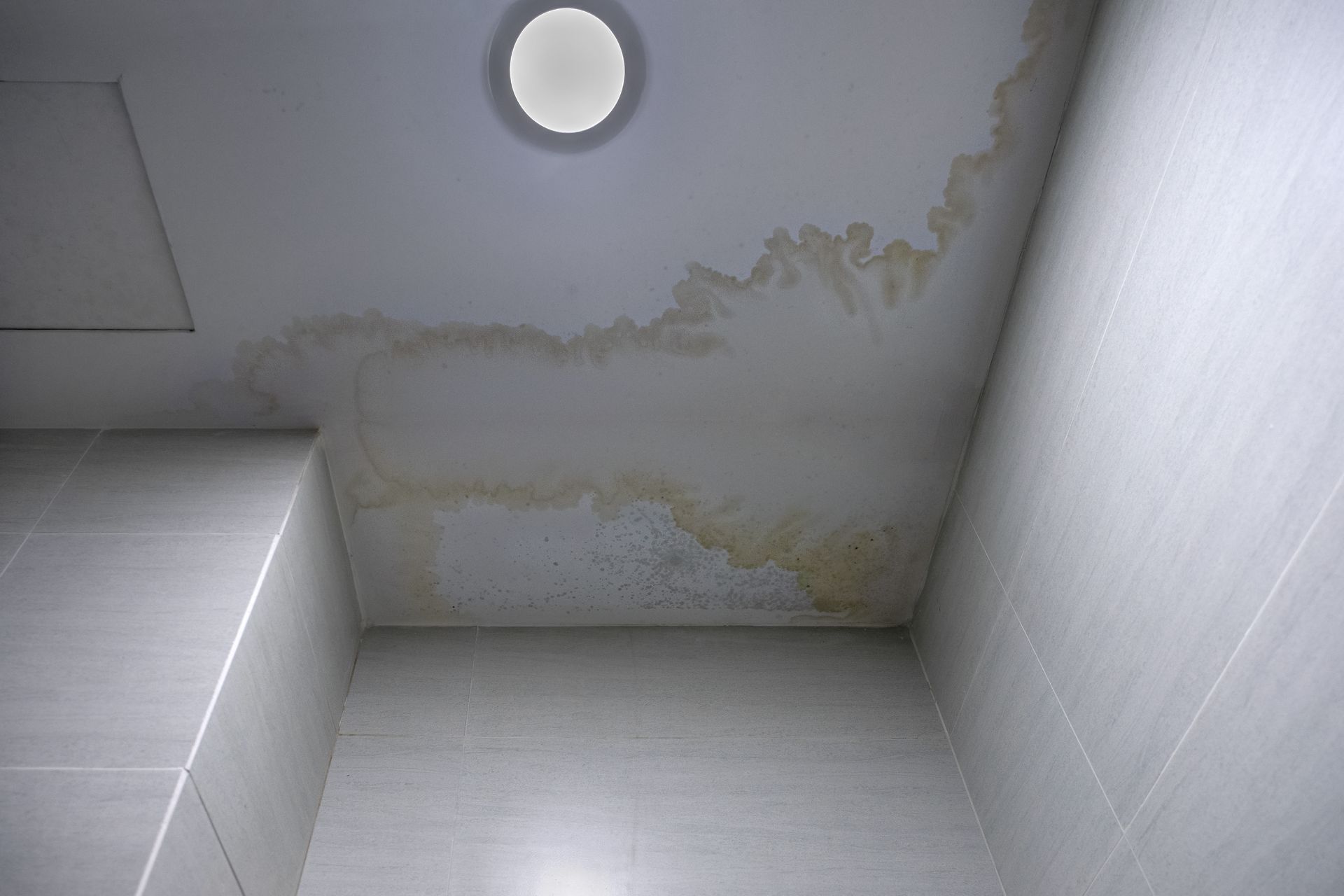
Leaks in your home can cause a variety of problems, from water damage and mould growth to increased water bills. However, with the right knowledge and tools, you can prevent and detect leaks before they cause serious damage.
Common Causes of Leaks
Leaks in your home can be caused by a variety of factors, including worn pipes, faulty appliances, and improper installation. Understanding the common causes of leaks can help you take steps to prevent them from happening in the first place.
Signs of Leaks
Early detection is key when it comes to leaks, so it’s important to be aware of the signs of leaks in your home. These can include increased water bills, water stains on ceilings and walls, and damp or mouldy areas.
Preventive Measures
There are a variety of preventive measures you can take to reduce the risk of leaks in your home. These can include regular inspections of your plumbing system, fixing leaks promptly, and replacing old or worn pipes.
DIY Leak Detection
There are a number of DIY techniques you can use to detect leaks in your home, such as checking for water stains, listening for the sound of running water, and using a water meter to check for leaks.
Professional Leak Detection
If you’re unable to detect leaks in your home using DIY techniques, or if you’re unsure of the cause of a leak, it’s best to call in a professional plumber. A professional plumber has the experience and expertise to quickly and accurately detect leaks in your home.
The Water Meter Test
This is the most useful ten minutes you can spend, and it costs nothing. Turn off every tap and water-using appliance in the house, then read your water meter and note the figures exactly. Leave it an hour, using no water at all, then read it again. If the numbers have moved, water is escaping somewhere.
To narrow it down, close the internal stopcock and repeat. If the meter still moves, the leak is on the supply pipe outside the house rather than in it.
Know Where Your Stopcock Is
Before you ever need it. In most houses around Tonbridge it is under the kitchen sink, though in older properties it can be in a downstairs cupboard, under the stairs or beneath a floor hatch. Find it now, turn it to check it actually moves, and make sure everyone in the house knows where it is.
A stopcock seized open is very common and completely useless in an emergency. If yours will not turn, that is a small job worth booking before it becomes a big one at two in the morning.
What to Do the Moment You Find a Leak
- Turn the water off at the stopcock.
- Turn off the electricity at the consumer unit if water is anywhere near wiring or downlights.
- Move what you can out of the way and get a bucket under the drip.
- Photograph the damage before you clear up — your insurer will want to see it.
- Ring a plumber, and mention if it is still running.
Where Leaks Start in Kent Homes
The housing stock around Tonbridge throws up the same handful of culprits again and again:
- Old compression joints under sinks and behind washing machines, which weep slowly for months before anyone notices.
- Microbore heating pipework in 1970s and 80s houses, buried under floors and awkward to reach.
- Failed silicone around baths and shower trays — often mistaken for a plumbing leak when the water is simply running down the outside of the bath.
- Expansion vessels losing their charge, which shows up as boiler pressure that will not stay put.
- Outside taps and supply pipes, which are the ones that burst in a hard frost.
What It Costs
Leak detection and repair are charged at £95 + VAT for the first hour, always billable, then £47.50 + VAT for each 30 minutes after that.
Call 01732 792 454. We cover Tonbridge, Tunbridge Wells and the surrounding Kent villages — see our plumbing services.
Need a hand from a real engineer?
Our Gas Safe team covers the whole of Kent — free fixed quotes on new boilers, clear rates on repairs and servicing.
Call 01732 792 454