
Plumbing emergencies: what to do when things go wrong
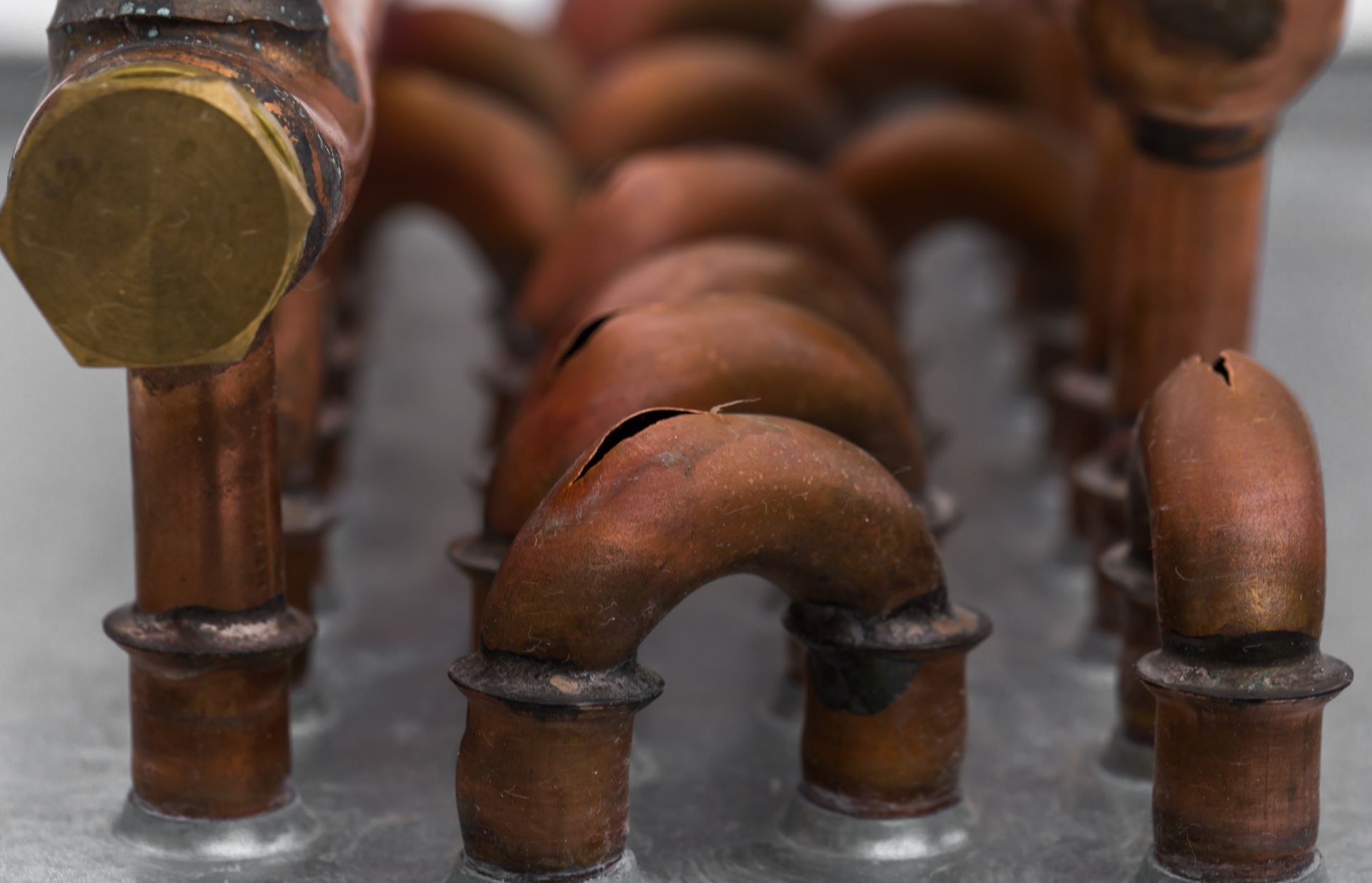
Plumbing emergencies can be stressful and costly, but knowing how to react can help minimise the damage and get things back to normal as quickly as possible. Here’s what to do when you’re faced with a plumbing emergency:
Turn off the water
The first thing you should do in any plumbing emergency is to turn off the water. This will help stop the flow of water and minimise the damage. You can usually find the main water shut-off valve near your water meter or in the basement. If you can’t find the main shut-off valve, look for the shut-off valve on the affected plumbing fixture (like a sink or toilet).
Drain the system
Once you’ve turned off the water, you’ll want to drain the system to get rid of any excess water. To do this, flush the toilet, turn on the taps, and drain the hot water cylinder.
Assess the damage
Next, take a look at the damage to determine the extent of the problem. If the damage is minor, you may be able to fix it yourself. However, if the damage is more significant, you’ll need to call a professional plumber.
Take preventive measures
If the problem is due to a blocked drain or overflowing toilet, there are some steps you can take to prevent further damage. For example, you can use a plunger to try and clear the blockage, or you can use a bucket to catch the overflow from the toilet.
Call a professional
If the problem is beyond your expertise or if you can’t find the source of the issue, it’s time to call a professional plumber. They will have the tools and knowledge to properly diagnose and fix the problem.
Find Your Stopcock Before You Need It
Everything above depends on being able to turn the water off, and the worst time to go looking for the stopcock is at two in the morning with water coming through a ceiling.
In most homes around Tonbridge it is under the kitchen sink. In older properties it can be in a downstairs cupboard, under the stairs, or beneath a floor hatch. Find yours now, turn it to check it has not seized open — a very common fault — and make sure everyone in the house knows where it is.
While you are at it, note where the individual isolation valves are. Most modern taps, toilets and radiators have a small valve on the feed, turned with a flat screwdriver, which lets you stop one fitting without shutting down the whole house.
Protect What You Can, Then Stop
Once the water is off, resist the urge to start taking things apart. Move furniture and belongings clear, get containers under any remaining drips, lift carpets if you can, and photograph everything before you tidy up — insurers want to see the damage as it was, not after you have cleaned it.
If water has been anywhere near wiring, sockets or downlights, leave the electricity off at the consumer unit until someone has checked it. Water in a light fitting is not something to test by flicking the switch.
If You Smell Gas
Different procedure entirely. Do not touch any electrical switches, including light switches. Open the doors and windows, turn the gas off at the meter if you can safely reach it, get everyone out, and ring the National Gas Emergency Service on 0800 111 999 — free, and answered at any hour.
What It Costs to Get Us Out
Emergency and repair work is charged at £95 + VAT for the first hour, which is always billable, then £47.50 + VAT for each 30 minutes after that.
It’s a good idea to have the number of a reliable plumber on hand — ours is 01732 792 454. We cover Tonbridge, Tunbridge Wells and the surrounding Kent villages; see our plumbing services.
Need a hand from a real engineer?
Our Gas Safe team covers the whole of Kent — free fixed quotes on new boilers, clear rates on repairs and servicing.
Call 01732 792 454