
One Radiator Not Heating Up: How to Fix It Like a Pro
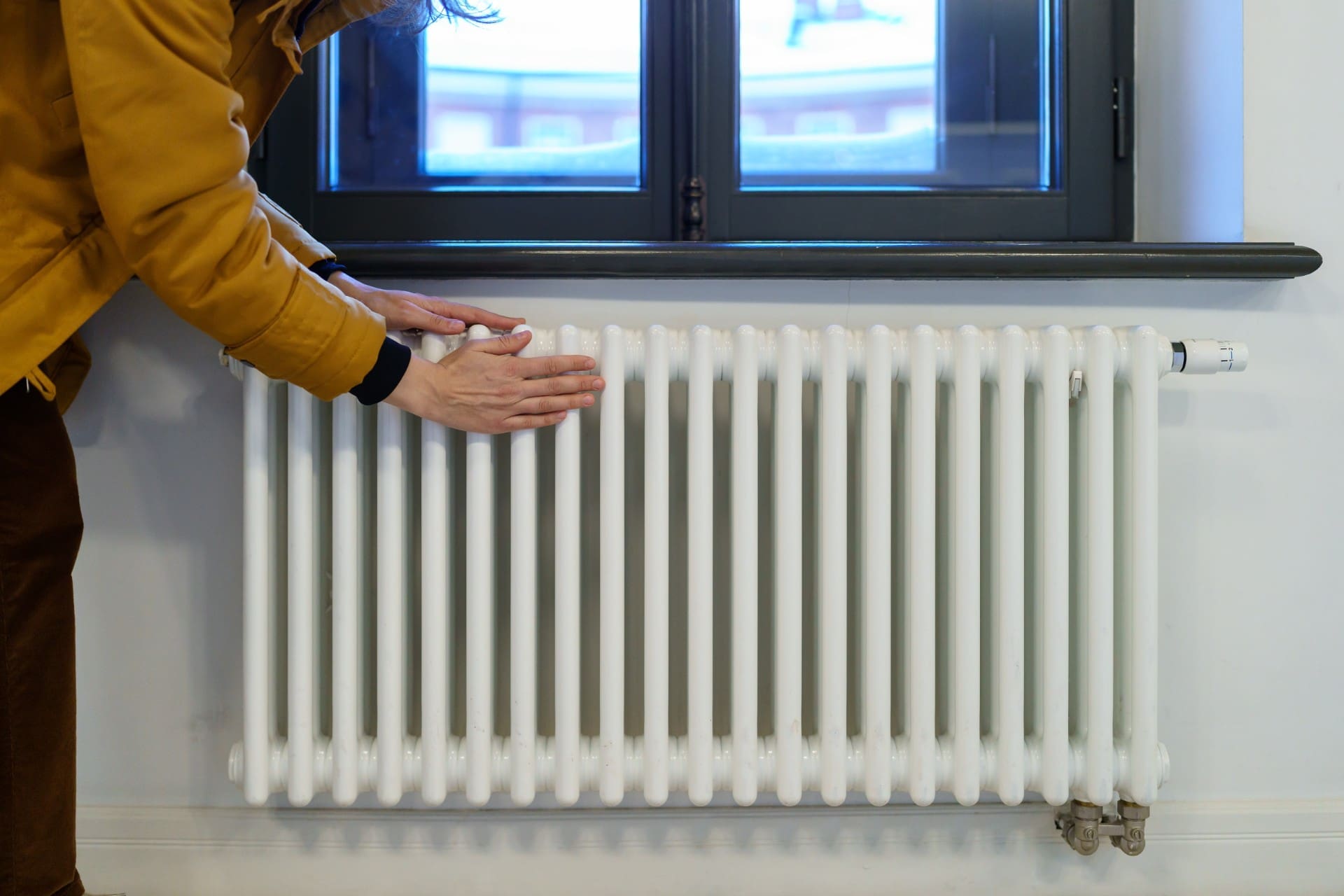
Feeling a cool draft instead of comforting warmth from one radiator not heating up? Don’t despair! Before rushing to the phone, consider tackling this common issue yourself. This guide equips you with the knowledge and steps to diagnose and potentially fix your cold radiator, restoring warmth and saving you the hassle (and cost) of unnecessary professional help.
Why Focus on One Cold Radiator?
While frustrating, a single cold radiator usually points to a specific problem, often easier to resolve than a complete heating system malfunction. Let’s explore the potential culprits:
- Trapped Air: Air bubbles can get stuck inside, hindering hot water circulation.
- Stuck Valve: The valves controlling water flow might be stuck, preventing hot water entry.
- Blockage: Debris or rust build-up in the pipes can restrict water flow to the radiator.
- Faulty TRV: The thermostatic radiator valve might malfunction, keeping the valve closed despite the cold room.
Troubleshooting Your Chilly Comrade:
1. Release the Trapped Air (Bleeding):
- Locate the bleed valve (usually a square key-operated valve) at the top.
- Place a container below to catch drips.
- Use a radiator key to slowly open the valve. You’ll hear hissing (air) followed by water trickling.
- Close the valve once water flows steadily.
- Repeat for all your radiators for optimal heating.
2. Check the Valves:
- Identify the two valves: a thermostatic radiator valve (TRV) and a lockshield valve.
- Ensure the TRV is set to your desired temperature.
- If correct, try slightly adjusting the lockshield valve (anticlockwise to open, clockwise to close). Be gentle and avoid overtightening.
3. Investigate for Blockages:
- Visually inspect the pipes leading to the radiator for visible kinks or blockages.
- For deeper blockages, consult a professional plumber.
4. Consider the TRV:
- If the TRV seems faulty after checking its settings, replacing it might be necessary.
- Choose a compatible TRV and follow the manufacturer’s instructions for installation.
- If unsure, seek professional help.
Remember:
- Turn off your heating system and let the radiators cool before starting.
- If DIY solutions don’t work, don’t hesitate to call a qualified plumber.
Bonus:
- Professional help: Consult a heating engineer for complex issues, power flushing, or complete system checks.
- Prevention: Regularly bleed your radiators and check your boiler pressure to avoid future problems.
Stay Warm and Cosy!
Where Is It Cold? That Tells You Everything
The single most useful diagnostic takes five seconds: put your hand on the radiator in a few places.
Cold at the top, warm at the bottom is trapped air. Bleed it, and you are done.
Cold at the bottom, warm at the top is not air — it is sludge, settled into the bottom of the radiator where it blocks the flow. Bleeding will achieve nothing. The radiator needs flushing out, or in a bad case the whole system needs a power flush.
Cold all over, while every other radiator is fine points to a valve. Nine times in ten it is the thermostatic valve: pull the head off and check the pin underneath moves freely. They seize in the closed position over the summer when nobody touches them, and a gentle tap or a careful pull with pliers usually frees it. If the pin springs back happily and the radiator is still cold, look at the lockshield valve at the other end — it may have been closed right down when someone last balanced the system.
Cold only at the far end of the house, with the ones near the boiler roaring, is not a fault at all. That is an unbalanced system, and the fix is closing down the lockshields on the greedy radiators to push flow further along.
When It Is Worth Calling Someone
If the radiator is cold at the bottom, if bleeding produces dirty black water, if several radiators are affected, or if the same one goes cold again a few weeks after you have sorted it — those all point to the system rather than the radiator, and treating the symptom will not hold.
Heating work is charged at £95 + VAT for the first hour, which is always billable, then £47.50 + VAT an hour after that. Materials are agreed with you before we fit or order them.
Call 01732 792 454.
Need a hand from a real engineer?
Our Gas Safe team covers the whole of Kent — free fixed quotes on new boilers, clear rates on repairs and servicing.
Call 01732 792 454