
Combi vs System vs Regular Boiler: Which Is Right for Your Home?
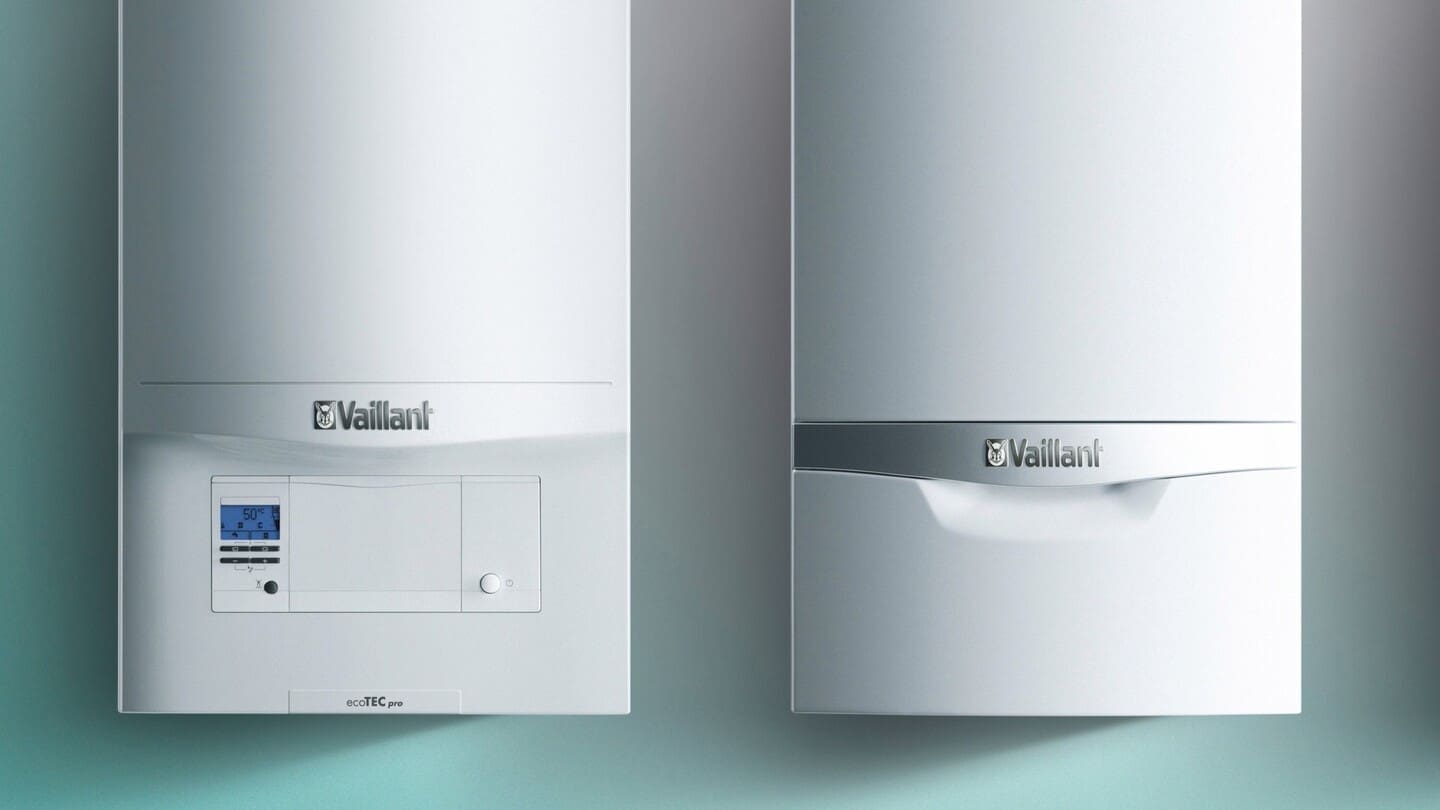
Choosing the right boiler is one of the most important decisions a UK homeowner makes. Your boiler will provide heating and hot water for potentially 15+ years, so getting it wrong costs money in efficiency, comfort, and reliability. Yet many people don’t fully understand the differences between boiler types, leading to suboptimal choices. This comprehensive guide explains how each boiler type works, their pros and cons, and which suits different homes. By the end, you’ll be equipped to make the best choice for your property.
The Three Main Boiler Types Explained
Understanding boiler types starts with knowing how each system works fundamentally.
What is a Combi Boiler?
A combi (combination) boiler is an all-in-one unit that provides both heating and hot water on demand. Inside the single compact box sits a heat exchanger that alternates between heating your radiators and heating water for taps and showers. When you turn on a hot tap, the boiler diverts flow to heat the water instantly.
Key Feature: No hot water storage tank or cold water tank in the loft is required. Everything happens within the boiler unit itself.
How It Works: Cold water enters the boiler from the mains supply. When a hot tap is opened, the boiler senses the demand and fires up, heating the water as it flows through and delivering it instantly. The same boiler then returns to heating your radiators when the tap is closed.
What is a System Boiler?
A system boiler (sometimes called a sealed system boiler) heats water for both radiators and a separate hot water storage cylinder, which is usually located in a cupboard or airing cupboard inside your home, rather than in the loft.
Key Feature: Requires a hot water cylinder but no separate cold water tank (the system is “sealed” and fed directly from the mains).
How It Works: The boiler heats water that circulates through your radiators and also heats water stored in an insulated cylinder. When you turn on a hot tap, you get hot water from the cylinder, which is then replenished by the boiler. The cylinder is pressurized from the mains, allowing fast hot water flow.
What is a Regular Boiler (Heat Only)?
A regular boiler (also called a heat-only or conventional boiler) is a traditional system that only heats water for radiators. A separate cylinder provides hot water for taps and showers, and a cold water tank (usually in the loft) feeds both the boiler and the cylinder.
Key Feature: Requires both a hot water cylinder and a cold water tank – the “traditional” British heating system.
How It Works: The boiler heats water circulating through radiators. Separately, it also heats water in the cylinder, which is drawn from the cold water tank. When you turn on a hot tap, you receive stored hot water from the cylinder (which refills from the cold tank as needed).
Pros and Cons of Combi Boilers
Advantages of Combi Boilers:
Space-Saving: The compact all-in-one unit eliminates the need for a bulky cylinder or tank, freeing up valuable loft space and cupboard room. Ideal for smaller homes and flats.
Instant Hot Water: Turn on any hot tap and water comes out hot immediately. No waiting for hot water from a storage cylinder.
Energy Efficient: You only heat water you use, with no standing heat loss from a hot water tank. No energy is wasted maintaining hot water in a storage cylinder.
Lower Installation Cost: Simpler to install than system boilers (especially if replacing a combi), reducing labour time and cost.
Mains Pressure Hot Water: Hot water comes at mains pressure, providing strong flow from showers and taps.
Disadvantages of Combi Boilers:
Limited Simultaneous Hot Water: If two people take showers simultaneously in different bathrooms, the boiler can’t heat water fast enough for both, and pressure/temperature drops. This is the main drawback.
Water Pressure Dependency: Your hot water flow rate depends on mains water pressure. Homes with low mains pressure experience weak flow.
Complex Repair: A problem with the internal heat exchanger affects both heating and hot water, potentially leaving you without either service.
Higher Boiler Kilowatt Rating Needed: To provide instant hot water, combi boilers are typically higher power (24-35 kW), which can mean higher running costs.
Pros and Cons of System Boilers
Advantages of System Boilers:
Excellent Simultaneous Hot Water: Multiple showers can run at the same time without loss of pressure or temperature. The hot water cylinder stores enough heated water for the whole family.
Compatible with Renewable Energy: System boilers pair easily with solar thermal panels or heat pumps for enhanced efficiency.
Consistent Performance: Hot water supply is not dependent on boiler output at that moment. Even if heating is off, stored hot water is available.
Existing Tank Reuse: If you’re upgrading from an older system and already have a suitable cylinder, you may be able to reuse it, reducing installation cost.
Quieter Operation: The boiler doesn’t have to modulate between heating radiators and heating hot water constantly, reducing cycling noise.
Disadvantages of System Boilers:
Requires Cylinder Space: You need space in a cupboard or airing cupboard for the hot water cylinder (typically 1.5 metres tall). Not suitable if space is limited.
Standing Heat Loss: The hot water cylinder loses heat over time, even when not in use. Insulation helps but never eliminates this.
Higher Installation Cost: More complex than combi installation, requiring the cylinder connection, often taking longer and costing more.
Slower to Get Radiator Heat: If the cylinder is fully heated, the boiler must heat it before returning to efficient radiator heating.
Pros and Cons of Regular Boilers
Advantages of Regular Boilers:
Reliable Performance: These systems have been used for decades and the technology is proven. Parts are readily available.
No Mains Pressure Issues: Works on gravity-fed water supply, so mains pressure is irrelevant.
Good for Multiple Simultaneous Users: Like system boilers, several showers can run without pressure loss.
Disadvantages of Regular Boilers:
Space Requirements: Both a cylinder and a cold water tank are needed, typically in the loft and a cupboard. Modern homes rarely have this space.
Lower Water Pressure: Gravity-fed systems deliver water at low pressure, resulting in weak flow from showers and taps.
Standing Heat Loss: The cylinder loses heat constantly; the tank needs regular maintenance.
Lower Efficiency: These systems are the least efficient option, with typical SEDBUK ratings of D-F.
Rarely Installed Today: Most modern installations are combi or system boilers. Finding engineers experienced with regular boiler problems is increasingly difficult.
Which Boiler Type for Different Home Sizes?
1-2 Bedroom Flat or Small Terraced House: Combi boiler is ideal. Space is limited, simultaneous hot water demand is low, and instant hot water is valued in compact homes.
3 Bedroom Semi-Detached House: Either combi or system boiler works well. If the family is small and bathrooms are limited (1-1.5), a combi is fine. If you have multiple bathrooms (2+) and anticipate simultaneous showers, a system boiler is better.
4-5 Bedroom Detached House: System boiler is strongly recommended. Multiple bathrooms and family members mean regular simultaneous hot water demand, which a combi struggles with.
Large Period Property: Regular boiler replacement may be necessary if the existing system is already present and space allows. However, upgrading to a system boiler is often preferred for improved efficiency.
Hot Water Demand and Number of Bathrooms
Here’s a quick rule of thumb based on hot water demand:
One Bathroom: Combi boiler is sufficient.
One to Two Bathrooms: Combi boiler works, but system boiler is safer if simultaneous use is frequent.
Two or More Bathrooms: System boiler is recommended.
For families with teenagers or multiple adults, system boilers prevent the frustration of cold showers when someone downstairs uses hot water while someone upstairs is showering.
Space Requirements and Installation
Combi Boilers: Compact wall-mounted units (typically 70cm tall, 40cm wide) fit in kitchens, utility rooms, or airing cupboards.
System Boilers: Require space for the cylinder (1.5 metres tall, 60cm wide). Must fit in airing cupboard, cupboard, or plant room. If space is unavailable, this boiler type isn’t suitable.
Regular Boilers: Need both a cylinder (1.5m tall) and a cold water tank (typically in loft). Most modern homes lack loft space for a tank.
Running Costs Compared
Combi boilers are the most economical to run where hot water is used one tap at a time. If you live alone or as a couple and rarely need hot water in two places at once, a combi wastes the least, because it heats water only at the moment you ask for it and stores none.
System boilers carry a little more running cost, because a cylinder full of hot water loses heat to the airing cupboard whether you use it or not. A well-lagged modern cylinder keeps that loss small, and where you genuinely need hot water at several taps at once it is a fair trade.
Regular boilers are the least economical of the three: you have the same standing loss from the cylinder, plus an open vented tank in the loft, and the boilers themselves tend to be older and less efficient than their modern equivalents.
What any of this costs you in a year depends far more on your house than on your boiler — how well it is insulated, how many rooms you heat, how hot you run them and how long for. We would rather look at your property and talk you through the realistic picture than print a number that was calculated for somebody else’s home.
Which Brands Are Best for Each Type?
Top Combi Boilers: Worcester Bosch Greenstar 4000 (most reliable), Vaillant ecoTEC Plus (excellent efficiency), Ideal Logic (budget-friendly), Viessmann Vitodens 200 (premium option).
Top System Boilers: Worcester Bosch Greenstar 4000 with cylinder (market leader), Vaillant ecoTEC Plus (reliable pairing), Ideal Logic with cylinder (good value), Baxi EcoBlue with cylinder (budget option).
Regular Boilers: Still available from Worcester Bosch and Baxi, but increasingly difficult to source. Most homes converting from regular boilers upgrade to system boilers for improved efficiency.
Converting Between Boiler Types
Can You Switch from Combi to System? Yes, but it is a substantial project. A hot water cylinder has to be installed and it needs cupboard space, along with the pipework and controls to serve it. It costs meaningfully more than a straight boiler swap.
Can You Switch from System to Combi? Yes, and this is the more common direction. The cylinder comes out and you get the cupboard back, but you lose the ability to run hot water at two taps at once at full flow — worth thinking about carefully if you have more than one bathroom.
Regular to System or Combi: the conversion we do most often. Both the loft tank and the cylinder are removed, which frees up real space in the house.
What any of these conversions costs depends almost entirely on the pipework already in your property and how much of it has to change. That is not something anyone can price down a phone line, so we survey first and then give you a fixed written quote, free of charge.
Making Your Decision
Ask Yourself These Questions:
Do you have limited space (flat, small terraced)? Combi is best.
Do multiple people shower simultaneously? System boiler is essential.
Is efficiency your priority? Combi (if single household) or high-efficiency system boiler.
Do you have low mains water pressure? System boiler (provides mains pressure) beats combi.
Are you future-proofing for renewable energy? System boiler integrates better with solar thermal or heat pumps.
Expert Advice from Plumbing Angels
Choosing the right boiler is complex, and the best choice depends on your specific circumstances, home layout, and family needs. Plumbing Angels specialises in helping Tunbridge Wells and Kent residents select and install the perfect boiler for their homes. Our Gas Safe registered engineers provide free consultations, assessing your heating needs, available space, and budget to recommend the ideal boiler type and model.
Phone: 01732 792 454
Website: plumbingangels.co.uk
Contact us today for expert guidance and a free, no-obligation quote. Let the team at Plumbing Angels help you make the right choice and install your new boiler professionally.
Need a hand from a real engineer?
Our Gas Safe team covers the whole of Kent — free fixed quotes on new boilers, clear rates on repairs and servicing.
Call 01732 792 454